Exactly How to Select Assisted Living Near Me Without Really feeling Overwhelmed
Business Name: BeeHive Homes of Farmington
Address: 400 N Locke Ave, Farmington, NM 87401
Phone: (505) 591-7900
BeeHive Homes of Farmington
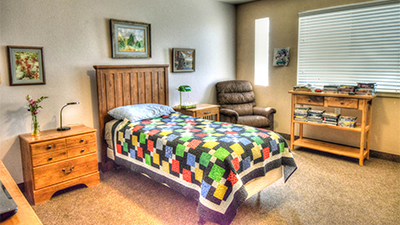
Beehive Homes of Farmington assisted living care is ideal for those who value their independence but require help with some of the activities of daily living. Residents enjoy 24-hour support, private bedrooms with baths, medication monitoring, home-cooked meals, housekeeping and laundry services, social activities and outings, and daily physical and mental exercise opportunities. Beehive Homes memory care services accommodates the growing number of seniors affected by memory loss and dementia. Beehive Homes offers respite (short-term) care for your loved one should the need arise. Whether help is needed after a surgery or illness, for vacation coverage, or just a break from the routine, respite care provides you peace of mind for any length of stay.
400 N Locke Ave, Farmington, NM 87401
Business Hours
The look for assisted living rarely begins as a neat preparation job. It normally starts with a moment that feels a little too genuine. Maybe a parent missed out on medications twice in one week. Maybe the refrigerator is full, but nothing fresh has actually been eaten. Perhaps a loss, a driving scare, or a pile of unpaid bills made it clear that living alone has come to be harder than it looks from the outside.
That is why the expression "assisted living near me" obtains entered right into a search bar with such urgency. People are not buying a way of life upgrade. They are trying to solve a problem, often while carrying shame, tiredness, and a dozen point of views from brother or sisters, physicians, and neighbors. The stress to make the ideal selection can feel extreme due to the fact that, in an extremely functional sense, it is. The appropriate area can bring safety, framework, and alleviation. The wrong one can develop irritation, extra cost, and a worried sensation that no person is actually paying attention.
The good information is that this decision ends up being much less frustrating as soon as you understand what to search for and what to ignore. Assisted living is not one solitary experience, and the very best choice is seldom the fanciest building or the local address on the map. It is the location that fits the individual's real needs, routines, budget plan, and character. That takes some sorting, but not virtually as high as individuals are afraid when they initially begin.
Start with the person, not the brochure
The easiest error is to start with facilities. A sleek dining room, a schedule loaded with activities, and a joyful site can all be reassuring, but they do not respond to one of the most essential concern: what does this older grown-up need help with every day?
Assisted living is developed for people who do not need consistent skilled nursing care yet do require assistance with some combination of showering, dressing, dishes, medication tips, housekeeping, flexibility, or supervision. That support can look very different from one resident to an additional. One person may need aid just in the mornings and choose a fairly independent regimen. One more may need suggestions throughout the day and close oversight due to memory modifications, equilibrium issues, or chronic illness.
Before touring neighborhoods, it assists to jot down what is really taking place at home. Not what the family hopes is happening, yet what is. Is the person eating regular dishes? Are they bathing securely? Are they missing out on medications? Are they lonely, confused during the night, or having a hard time to stay on top of your home? A clear image of daily life makes the search far more precise.
Families usually discover that what they believed was "simply a little forgetfulness" is truly a pattern, or that what appeared like "stubbornness" is really concern of losing independence. Those details issue. Assisted living needs to support function, not just offer an enjoyable location to live.
Know the distinction between assisted living and various other senior care
Many individuals begin by looking for senior care near me and swiftly recognize that the alternatives are more different than expected. That can be valuable, however it also develops choice fatigue. Assisted living is one part of a bigger care continuum, and understanding where it sits can stop costly mismatches.
Assisted living generally functions well for individuals who can still participate in their day with some assistance. It is not the same as independent living, where citizens typically handle every little thing themselves. It is likewise not the like a nursing home, which is better matched to individuals with complicated clinical demands requiring 24-hour proficient care. Memory care can be part of an assisted living neighborhood, but specialized memory care is usually more structured and safe for locals with moderate to innovative dementia.
There is also respite care, which is typically overlooked. Respite care can be a short-term remain that offers household caretakers a break after surgical procedure, during travel, or during a duration of burnout. It is not only a back-up strategy. For some families, it ends up being the smartest means to check whether a community seems like the right fit before making a longer commitment.
If the language around care levels feels complicated, that is regular. Neighborhoods utilize comparable terms in slightly various methods, and sales teams normally emphasize what their building does well. The helpful inquiry is not "What do they call this?" but "What level of everyday aid is actually given, and what happens if needs increase?"
What to search for when you tour
A tour can tell you even more than a shiny package ever before will, yet only if you take notice of the appropriate details. Clean floors issue, yet so does whether the staff seems rushed. Eye-catching typical locations matter, however so does whether residents are resting alone or engaged with one another. A neighborhood can look beautiful and still feel slim on warmth.
The most beneficial signs are often small. Are people attended to by name? Do caretakers make eye get in touch with when they talk? Does the dining-room feel vibrant or sketchy? Are locals moving around with dignity, or do they seem taken care of rather than supported? A great assisted living community does not feel like a resort acting to be a care setup. It seems like a place where regimens are steady and individuals are known.
Pay focus to the home also. A small apartment may be enough for one resident, while another needs a one-bedroom layout merely to protect a feeling of separation between resting and living. Closet area, restroom safety features, lights, and the capability to customize the space can matter greater than people anticipate. If someone has constantly had a particular chair, a favorite light, or a chest of household photos, those familiar items can relieve the change significantly.
Smell is one more underappreciated idea. Strong odors, either of pee or frustrating anti-bacterial, can signal bad housekeeping or rushed care. Neither is a good indication. So is a dining-room that really feels strangely quiet at mealtime. A healthy and balanced community has a rhythm. It might not be excellent, however it ought to really feel lived in.
The questions that separate refined solutions from real ones
A sales tour frequently seems smooth. The genuine worth comes from asking inquiries that require details, operational responses. You do not require to question anyone, but you do require enough information to contrast areas relatively. These inquiries have a tendency to disclose more than general promises.
- How numerous caregivers are on duty during the day and during the night, and exactly how do they respond if several locals need help at once?
- What specifically is consisted of in the month-to-month price, and what services set you back extra?
- How do you take care of medication monitoring, emergency situations, and changes in care needs?
- What happens if a resident starts to require even more aid than assisted living can provide?
- Can locals remain below if they create mild memory loss, or would that call for a relocate to an additional setting?
Those answers issue since the concealed prices of senior living can stun households. An area may market an attractive base rate, but costs for medicine administration, transport, personal care, or greater service levels can promptly transform the monthly overall. It is better to ask early than to find later that the spending plan only deals with paper.
Also inquire about staffing connection. A community can have enough caretakers on the routine and still struggle if turn over is high. Families observe when the exact same few individuals seem stretched slim month after month. Security issues. Citizens adjust more conveniently when names and encounters stay familiar.
Think thoroughly about location, not just convenience
Typing "assisted living near me" generally means proximity is part of the decision, and rightly so. A nearby area makes visits simpler, simplifies medical professional consultations, and aids the older grown-up stay connected to acquainted people. But "near me" should not be the only filter.
Sometimes the closest alternative is not the most effective fit for care, budget plan, or environment. In some areas, a slightly longer drive opens up a far better community, much better staffing, or a far better match for a resident's preferences. If the household visits every week, an added 15 or 20 minutes may be worth it. If the individual has a long time church, preferred physician, or close-by good friends, staying within that neighborhood might matter more than lots of people realize.

It deserves thinking of the long-term as well. If adult children reside in different components of town, or if one member of the family will certainly end up being the key site visitor, transportation and website traffic patterns can shape the experience greater than people expect. An area that is literally close but tough to access can become a useful worry. A a little further area with easy parking and straightforward routes may actually be easier to sustain.
Budget with your eyes open
Cost is frequently one of the most emotionally hard component of the process since it collides with household task. Assisted living can be a meaningful financial investment, but it is still an expense that has to fit real life. The objective is not to find the most affordable alternative. The goal is to comprehend what you are paying for and whether it matches the degree of support needed.
Monthly rates differ extensively depending on house dimension, care degree, place, and included solutions. Some neighborhoods bundle dishes, housekeeping, and fundamental personal assistance into one price. Others detail almost whatever. Neither structure is inherently much better, but the 2nd one calls for even more focus. A family comparing communities must ask for a written malfunction of what is consisted of today and what might alter if care demands increase.
It is also a good idea to ask about entryway fees, down payments, neighborhood costs, and policies for price increases. Some locations revise rates annually, while others readjust solutions regularly as demands alter. If memory care or a higher care level could be required later on, comprehend just how those changes function monetarily. A clear budget conversation can really feel uncomfortable in the beginning, however it stops bigger stress later.
Families often overstate how long a loved one can stay safely at home with patchwork help. That assumption can make assisted living seem more expensive than it is, up until the covert expenses of staying at home are built up. Home care, grocery stores delivered, transport, home cleaning, home alterations, and family members time off job all accumulate quickly. The comparison ought to be honest, not sentimental.
Watch for fit, not just features
A neighborhood can examine every useful box and still feel wrong. Culture issues. Some communities really feel active and social, with residents who collect easily for meals and programs. Others really feel quieter and extra personal. Some interest outbound people who want constant communication. Others fit a person who chooses structure, predictability, and a lower-key environment.
Try to picture the individual's real day there. Would they delight in the rate? Would certainly they like the food? Would certainly they join activities, or would certainly they really feel forced by them? If the resident is withdrawn, a flashy activity calendar may not matter a lot. If they thrive on conversation, a peaceful building might leave them isolated.
Memory concerns can make fit a lot more crucial. An individual with light cognitive changes may do well in assisted living if the structure is organized and the personnel listens. If complication is advanced, a common assisted living setting might not provide sufficient oversight, specifically at night. Family members in some cases hope that relocating when will certainly be enough, yet the very best outcome is typically to choose the ideal degree of assistance from the start.
Anecdotally, the family members that seem most relieved after relocating a loved one are not always the ones that chose the most pricey location. They are the ones who took some time to notice whether the resident seemed comfy, whether the staff paid attention meticulously, and whether the day-to-day setting matched the person's practices. That sort of fit is difficult to phony for long.
Give yourself consent to take a 2nd look
A first tour works, but it needs to not carry the entire decision. If a location feels promising, visit once again at a different time of day. Lunch hours, late mid-day, and early night can inform various stories. You might see just how well the team handles transitions, whether locals seem cleared up after activities, or exactly how swiftly call lights are answered.
If possible, bring the individual who will live there on the second visit. Relative commonly observe one collection of information, while the future resident notifications one more. A single person may appreciate the shower setup, while an additional is concentrated on whether there is a terrace, a garden, or a sight that feels familiar. Those preferences are not shallow. They influence just how in the house a person feels on the first day and day 100.

Trust the response, but do not panic to one uncomfortable moment. Every neighborhood has incomplete days. A late lunch or a worn out personnel does not necessarily suggest bad care. What issues is the pattern. One off day is sound. A recurring feeling of poor organization is information.
Make the final decision with a simple framework
When selections start to blur together, it aids to narrow them through a few functional filters. This is not concerning producing a stiff scorecard. It has to do with minimizing emotional sound so the choice ends up being manageable.
Consider these 3 filters in plain language: safety, sustainability, and dignity. Safety asks whether the neighborhood can meet daily requirements accurately. Sustainability asks whether the family members can afford it and live with the logistics gradually. Self-respect asks whether the resident will certainly really feel highly regarded, seen, and as just like themselves as possible.
That structure maintains the discussion grounded. A gorgeous place that strains the spending plan may not be sustainable. A low-priced area that really feels understaffed might not be risk-free. A well-run neighborhood that feels impersonal might not maintain dignity. The right answer usually beings in the overlap of those 3 concerns, even if it is not best in every category.
It can likewise assist to make a note of what would certainly be a dealbreaker and what would just be a preference. A private space may be a choice. Clear drug administration may be a dealbreaker. A shorter drive might be valuable, however excellent staffing might matter much more. Dividing those 2 classifications maintains the search from ending up being obscure and endless.
When the move finally happens
The first few weeks in assisted living are frequently bumpy, also when the decision is absolutely right. That is normal. The person is getting used to a new room, new routines, brand-new food, and new faces. Family members are adjusting as well. Shame, relief, and uncertainty sometimes show up all at once.
A good area will expect that shift and support it. Personnel needs to help the resident work out in, learn names, and locate a rhythm. Family visits in the early period can aid, yet too many viewpoints at the same time can likewise be stressful. It is typically far better to maintain the environment tranquility and allow the new routine take hold.
If the relocation came after a dilemma, there might be some despair attached to it. That does not mean the option was wrong. It indicates the household is human. Assisted living does not eliminate aging or loss. What it can do is make day-to-day live much more workable, lower threat, and bring back a step of convenience that was escaping senior living at home.
Choosing assisted living near me does not have to become a month-long challenge of second-guessing. When you concentrate on actual needs, ask direct questions, visit more than as soon as, and pay attention to exactly how an area feels in method, the course ends up being more clear. The appropriate community will certainly not simply look excellent theoretically. It will make normal days safer, steadier, and much easier to endure, which is what the majority of family members are truly seeking when they begin the search.
BeeHive Homes of Farmington provides assisted living care
BeeHive Homes of Farmington provides memory care services
BeeHive Homes of Farmington provides respite care services
BeeHive Homes of Farmington supports assistance with bathing and grooming
BeeHive Homes of Farmington offers private bedrooms with private bathrooms
BeeHive Homes of Farmington provides medication monitoring and documentation
BeeHive Homes of Farmington serves dietitian-approved meals
BeeHive Homes of Farmington provides housekeeping services
BeeHive Homes of Farmington provides laundry services
BeeHive Homes of Farmington offers community dining and social engagement activities
BeeHive Homes of Farmington features life enrichment activities
BeeHive Homes of Farmington supports personal care assistance during meals and daily routines
BeeHive Homes of Farmington promotes frequent physical and mental exercise opportunities
BeeHive Homes of Farmington provides a home-like residential environment
BeeHive Homes of Farmington creates customized care plans as residents’ needs change
BeeHive Homes of Farmington assesses individual resident care needs
BeeHive Homes of Farmington accepts private pay and long-term care insurance
BeeHive Homes of Farmington assists qualified veterans with Aid and Attendance benefits
BeeHive Homes of Farmington encourages meaningful resident-to-staff relationships
BeeHive Homes of Farmington delivers compassionate, attentive senior care focused on dignity and comfort
BeeHive Homes of Farmington has a phone number of (505) 591-7900
BeeHive Homes of Farmington has an address of 400 N Locke Ave, Farmington, NM 87401
BeeHive Homes of Farmington has a website https://beehivehomes.com/locations/farmington/
BeeHive Homes of Farmington has Google Maps listing https://maps.app.goo.gl/pYJKDtNznRqDSEHc7
BeeHive Homes of Farmington has Facebook page https://www.facebook.com/BeeHiveHomesFarmington
BeeHive Homes of Farmington has an YouTube page https://www.youtube.com/@WelcomeHomeBeeHiveHomes
BeeHive Homes of Farmington won Top Assisted Living Home 2025
BeeHive Homes of Farmington earned Best Customer Service Award 2024
BeeHive Homes of Farmington placed 1st for Senior Living Communities 2025
People Also Ask about BeeHive Homes of Farmington
What is BeeHive Homes of Farmington Living monthly room rate?
The rate depends on the level of care that is needed (see Pricing Guide above). We do a pre-admission evaluation for each resident to determine the level of care needed. The monthly rate is based on this evaluation. There are no hidden costs or fees
Can residents stay in BeeHive Homes until the end of their life?
Usually yes. There are exceptions, such as when there are safety issues with the resident, or they need 24 hour skilled nursing services
Do we have a nurse on staff?
Yes. Our administrator at the Farmington BeeHive is a registered nurse and on-premise 40 hours/week. In addition, we have an on-call nurse for any after-hours needs
What are BeeHive Homes’ visiting hours?
Visiting hours are adjusted to accommodate the families and the resident’s needs… just not too early or too late
Do we have couple’s rooms available?
Yes, each home has rooms designed to accommodate couples. Please ask about the availability of these rooms
Where is BeeHive Homes of Farmington located?
BeeHive Homes of Farmington is conveniently located at 400 N Locke Ave, Farmington, NM 87401. You can easily find directions on Google Maps or call at (505) 591-7900 Monday through Sunday 9:00am to 5:00pm
How can I contact BeeHive Homes of Farmington?
You can contact BeeHive Homes of Farmington by phone at: (505) 591-7900, visit their website at https://beehivehomes.com/locations/farmington/,or connect on social media via Facebook or YouTube
You might take a short drive to the Farmington Museum. The Farmington Museum offers local history and cultural exhibits that create an engaging yet comfortable outing for assisted living, memory care, senior care, elderly care, and respite care residents.